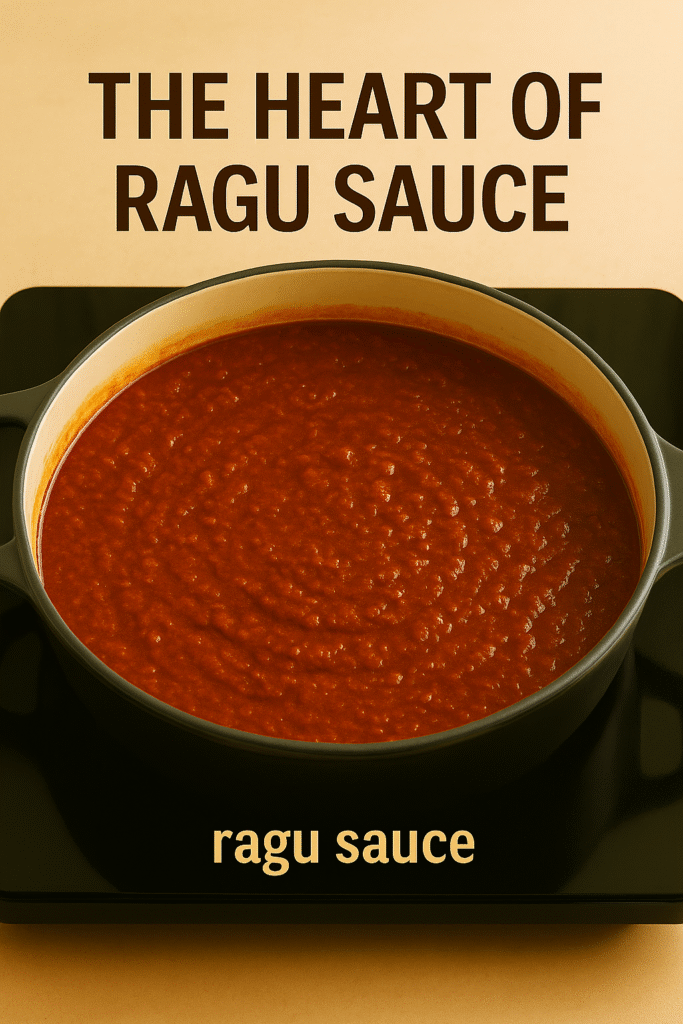
Beef ragu sauces are deeply rooted in Italian home cooking culture, known for their hearty textures, slow-simmered bases, and rich layered flavors. Traditionally built using humble ingredients like tomatoes, onions, garlic, butter, herbs, and beef, ragu sauces create a comforting experience that pasta lovers around the world admire for their boldness and versatility.
Unlike quick one-stir creams, beef ragus rely on gentle simmering to merge aromatics and proteins into a thick, glossy sauce that clings especially well to broader pasta shapes. Their signature richness comes from caramelized tomato paste, butter-finished acidity balance, and browned beef foundations that form a flavor-first approach to pasta nights and sit-down dinners.
🌿 Classic Ragu Flavor
Beef ragus are defined by warmth, depth, and aroma. Core characteristics include:
- Rich Umami Layers: Slow-browned beef builds a savory backbone.
- Balanced Acidity: Tomatoes simmered with butter soften the sharp tang without dulling the sauce.
- Herb-Forward Notes: Basil, oregano, thyme, and parsley are popular ragu aromatics that lift the sauce.
- Glossy Texture: Butter swirled into ragu at the end gives a silky sheen that makes the pasta look and feel luxurious.
- Slow-Merged Aromatics: Onions and garlic lose their bite and gain sweetness when simmered low and slow.
This depth creates a dependable sauce profile that pairs well with pasta, potatoes, polenta, and rice-style sides — but especially stacked noodle ribbons that hold thick sauce best.
🍝 Pasta Shapes That Love Ragu Sauces
Readers looking for ragu pasta inspiration most often pair it with:
- Spaghetti for classic twirl-friendly noodles
- Penne for tube-based sauce catchers
- Fettuccine & Tagliatelle for flat silky sauce coating
- Pappardelle for wide ribbon dinner plates
- Rigatoni for hearty baked or layered dinners
These pasta shapes help a thick beef ragu shine without needing extra explanation — perfect for home cooks who want quick meal preparation.
🧈 Pantry to Plate Convenience
One of the biggest appeals of ragu sauces is that many of the base ingredients are long-lasting pantry know-it-works staples. Everyday cooks often keep sturdy items like butter, pasta, dried herbs, and canned tomatoes on hand specifically for meals built around bold homemade sauces.
❄ How to Store Ragu Sauce Ingredients
A pantry works best when ingredients stay fresh and easy to access.
- Canned crushed tomatoes stay fresh for months when stored stacked, cool, dry, sealed.
- Tomato paste tubes or cans last 5–7 days refrigerated after opening, but extras can freeze well.
- Butter blocks can be frozen for 2–3 months without losing melt quality.
- Garlic, both fresh and pre-minced, lasts longest in dry shaded spaces or sealed jars.
- Dried herbs keep well in airtight labelled containers, cool and shaded.
Ragu sauces themselves can be cooled, refrigerated for 3–4 days, or frozen for 2–3 months. Reheat gently and add broth or pasta water if needed, never boil harshly or the sauce can separate.
💡 Tips for Better Ragu Flavor
These small ideas can improve ragu flavor for future cooks:
- Brown the beef before simmering for richer aroma.
- Sauté garlic in butter to release deeper flavor.
- Add herbs early while simmering so they infuse instead of sit on top.
- Use a butter swirl at the end for smoother tang and glossy texture.
- Cook pasta until al dente so it doesn’t get mushy under thick sauce.
FAQ
Q1: What does “ragu” mean in pasta sauce?
Ragu refers to a hearty, slow-cooked sauce made with meat, tomatoes, onions, garlic, and herbs.
Q2: Is beef ragu always spicy?
No, most beef ragus are rich and warming, not heat-spicy unless chili flakes are added.
Q3: Can ragu work with quick pasta dinners?
Yes! While traditional versions simmer slow, many ragu-style dinners can be made faster when beef is browned in small cubes.
Q4: What pasta goes best with beef ragu?
Wider or flat pastas like pappardelle, fettuccine, or rigatoni hold thick beef ragu sauce especially well.
Q5: Can I freeze leftover ragu?
Yes — cool it fully, freeze it sealed, and reheat gently for creamy, glossy results.
Want More Cozy Dinner Ideas?
If you loved this recipe, you’ll love my free Comfort Dinner Guide—packed with easy, satisfying weeknight meals.