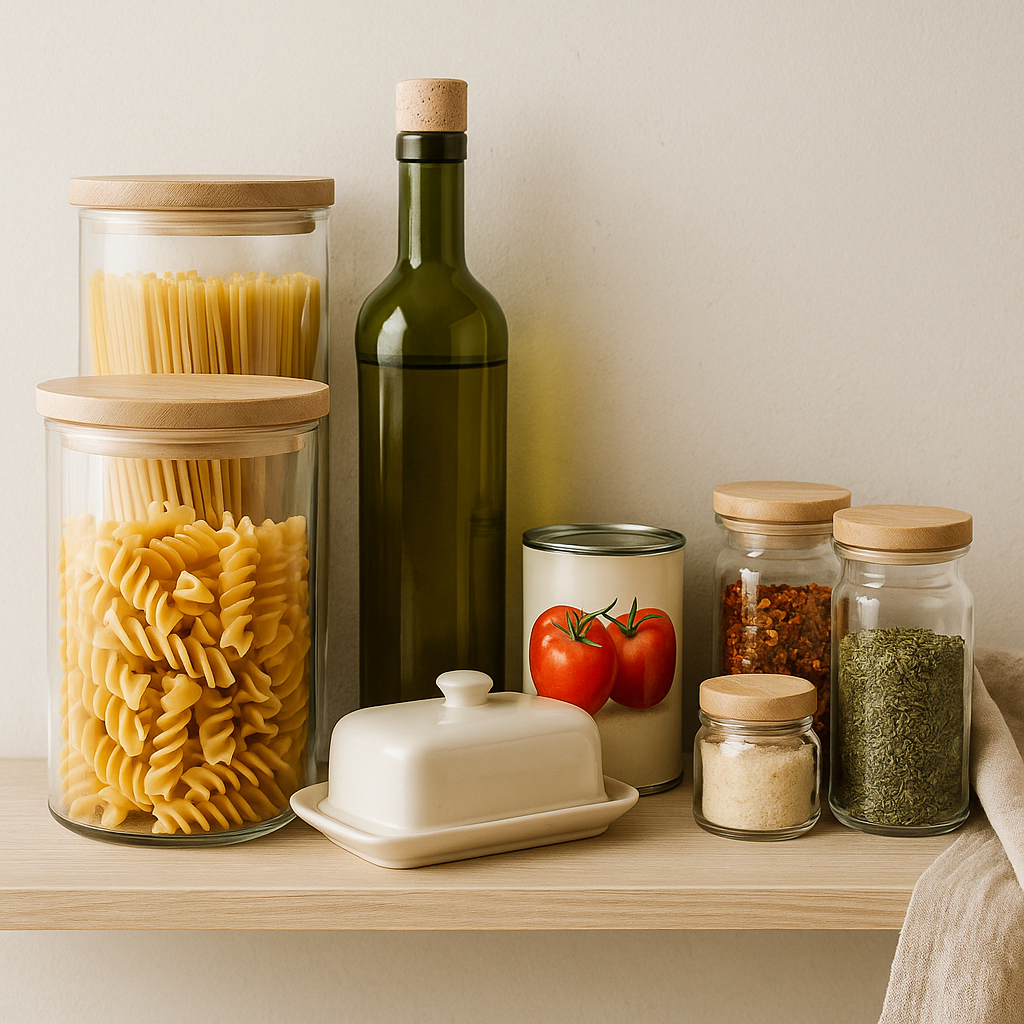
A well-planned pantry helps home cooks save time, cook faster, stress less, boost flavor, and create meals with confidence — making everyday cooking simpler and more enjoyable.
10 Must-Have Pantry Ingredients for Smarter, Easier, and More Profitable Home Cooking
If you want to cook meals that taste amazing without scrolling forever on Pinterest or stressing on social media, the secret isn’t marketing genius — it’s a strategic pantry. A well-stocked kitchen lets you move fast from idea to finished dish, which means more time creating content, less burnout, and more repeat visitors when you start placing ads. These 10 pantry staples are carefully chosen for versatility, long shelf life, cost-effectiveness, and flavor impact.
The Core 10 Staples (Plus How to Use Them for Maximum Flavor)
1. Extra Virgin Olive Oil
A durable powerhouse for sautéing, finishing, roasting, pasta sauces, salad bases, and side dishes. It carries herbs beautifully and blends into almost every cuisine. You can use it in creamy pastas, shrimp linguine, pizza drizzles, roasted protein dishes, or as an herb-oil infusion base.
2. Butter
The richness booster. Butter speeds up flavor development in pan-based sauces, makes baked pasta golden, and helps emulsify creamy pasta textures. It pairs especially well with garlic, pasta water, and Parmesan for glossy sauces. Great for dishes like creamy chicken pesto, mac and cheese, pot pie fillings, or garlic butter shrimp pasta.
3. Minced or Fresh Garlic
The universal flavor architect. It signals “delicious cooking ahead” in Google search snippets and Pinterest captions. Fresh garlic gives sharper aroma, jarred minced garlic gives literal workflow speed for food creators who want cooking to be fast and easy, not slow or stressful. Use it in: pasta ragu, creamy skillet noodles, seafood linguine, chicken parm fillings, soups, or roasted proteins.
4. Onions (Yellow, White, or Red)
One of the longest-lasting fresh staples if stored correctly (cool + ventilated). Onions form the flavor base for:
- ragu sauces
- enchilada bakes
- meatloaf fillings
- pasta soup bases
They are also great for on-page internal linking because they appear in dozens of recipe contexts.
5. Canned, Crushed, or Whole Tomatoes
Many home cooks search for tomato-based pasta dinners and slow-simmered sauces when planning meals, making canned tomatoes a pantry favorite for rich pasta bases, easy bakes, and quick marinara dinners. Build ragu from them, bake pasta trends with them, or make 20-minute marinara dinner variations.
6. Pasta
Close-up pasta photography and step-by-step cooking questions are some of the most searched and saved categories in recipe content. To make everyday cooking easier, home cooks often rely on a few staple pasta varieties such as spaghetti, penne, and ribbon-style noodles, which pair well with many popular sauces and baked pasta dishes.
7. Rice (Jasmine, Basmati, or Long Grain)
Rice adds versatility to pasta-focused meal inspiration by pairing beautifully with creamy sauces, seafood, chicken, and family comfort dinners. It is frequently featured in recipe ideas built around balanced plates, cozy dinner themes, and easy-to-pair carb combinations.
8. Parmesan (Or Pasta-Friendly Hard Cheese)
Parmesan cheese is one of the most visually appealing pasta garnishes, known for enhancing both flavor and presentation. Freshly grated Parmesan melts smoothly into sauces, creating a creamier texture and a more polished finish. It is also frequently featured in pasta inspiration pins, creamy sauce recipes, and Italian comfort dinners because of its rich color and fine, delicate texture.
9. Black Pepper + Salt
Salt and black pepper are the simplest and most essential seasonings in global home cooking. Their clean, universal flavor makes them reliable foundations in classics like creamy pasta, skillet dinners, and comfort bowls. These ingredients often appear in beginner-friendly recipe inspiration because of their simplicity, accessibility, and ability to elevate a dish with minimal effort.
Pantry-Friendly Herbs & Seasonings 🍃
Dried herbs such as basil, oregano, thyme, and parsley are kitchen essentials used across many global pasta dishes, hearty sauces, and easy baked dinners. Their long shelf life and concentrated flavor make them reliable choices for enhancing soups, creamy pasta sauces, tomato-based classics like beef ragu, and simple family meals. Fresh basil and parsley are often highlighted in food imagery and pasta inspiration for their bright green color and finishing touch that makes a dish look and taste more aromatic and complete.
Pantry Storage and Organization Guide (Pinterest + AdSense Friendly)
A pantry works best when it’s photographed, organized, and functional for workflow speed.
store onions correctly
- Keep onions in mesh baskets or breathable containers
- Avoid moisture
- Do not refrigerate whole onions
- Remove sprouting bulbs from main stock so gases don’t accelerate spoilage
Best shelf life: 4–6 weeks stored right
store garlic for easy workflow
- Fresh: cool, dry, shaded
- Minced jar: refrigerate after opening, lasts 8–10 weeks
- Frozen garlic cubes (mix with olive oil in trays) = multi-recipe use
store tomatoes properly
- Cans: cool, dry, stacked
- After opening: shift to airtight container, lasts 5–7 days
store Parmesan blocks
- Wrap tightly
- Airt-seal
- Refrigerate
- Freeze extra
Shelf life frozen: up to 3 months
store herbs for SEO
- Dried herbs → airtight containers
- Cool + shaded
- Label clearly
FAQ
What is the best oil for cooking pasta sauces?
Extra virgin olive oil is widely used for pasta sauces, roasting, and skillet dinners thanks to its rich flavor and smooth finish.
2. Can I use bacon instead of pancetta in pasta dishes?
Yes! bacon is a popular substitute for pancetta in many pasta meals and delivers a delicious, crispy texture.
3. Why do tomato-based pasta recipes taste better when simmered?
Slow simmering helps ingredients blend and deepen in flavor, especially in sauces like beef ragu.
4. How can I thicken a creamy pasta sauce naturally?
Mixing cheese like freshly grated Parmesan into warm noodles, or adding small splashes of pasta water, can help create a smoother, thicker sauce consistency.
5. What pasta shapes hold sauce the best?
Twisted pastas like fusilli, tubes like penne, and ribbons like pappardelle are popular for catching creamy and hearty sauces.
6. How long can I store pasta sauce ingredients in the pantry?
Most dry staples like pasta and canned tomatoes stay fresh for weeks or months when stored in clean, cool, sealed spaces. Fresh add-ons like garlic and refrigerated cheese can be frozen to extend freshness and make future meals easier.
Have more questions? Drop a comment or message — every great meal starts with confidence in the kitchen! 🍝✨💛
Want More Cozy Dinner Ideas?
If you loved this recipe, you’ll love my free Comfort Dinner Guide—packed with easy, satisfying weeknight meals.