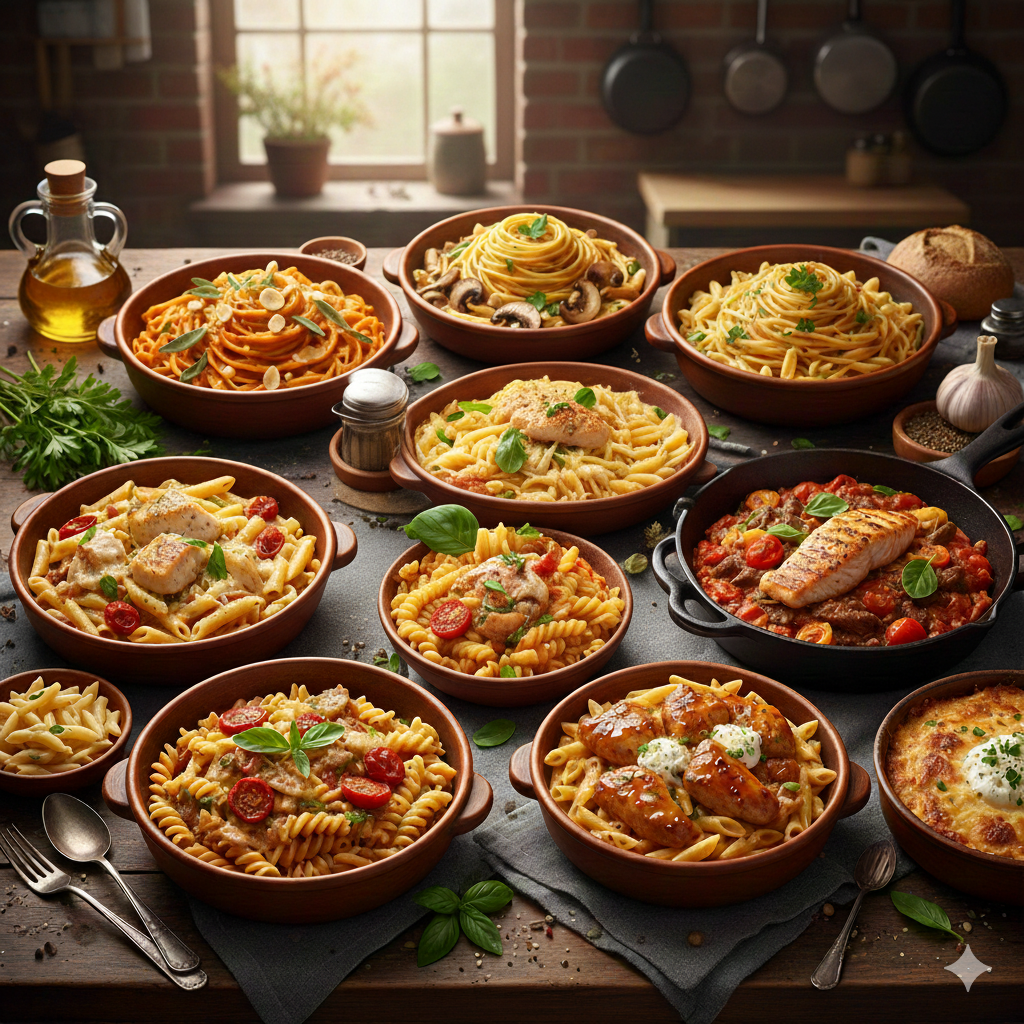
A pasta-timing spotlight exploring why sauces complete their reduction on controlled warmth and perform smooth-cling coatings bite-by-bite.
Pasta dinners built with “al dente” character stay adored because they land at the intersection of firm noodle bite, thick sauce adhesion, and cheese melt stability. Sauces attach properly to pasta when liquids are reduced into slight thickness first instead of boiling aggressive or meeting cheese at thin, foamy stages. The result is a pasta experience filled with fork-wrapped bite confidence, glossy coats, aroma stability, and soothing density.
🧈 Stage 1: Fat Swirl Foundation
Whether using butter or olive oil, this stage establishes the sauce’s future cling strength. Melting fat early and slow lets garlic and onion warm into the emulsion without burning harshly. Many cooks across the world repeatedly enjoy butter bases from brands like minimially seasoned pantry staples. The purpose is not flair — it is stability. Fat molecules form stronger adhesion when the liquid meets them after slight simmer reduction, not before.
🧄 Stage 2: Aromatic Bloom Memory
When aromatics bloom quietly at low-medium heat, the pan absorbs scent without harsh burn bitterness. Garlic and onions are well-known for building aroma depth, but only when they soften into fats at low-medium whisper warmth early. High-heat aggressive entry pushes garlic or paste into sharp, burnt pockets that detach from the sauce’s identity later. Soft bloomed garlic creates an even aroma that supports pasta without bitter burn shock.
🍅 Stage 3: Tomato Paste Mediation Phase
Tomato paste that enters pan oils before liquids have boiled first cooks into a deep red-burgundy coat that mellows acidity and creates density. When paste goes straight into a harsh boil, it cannot form proper adhesion with fat or starch, resulting in:
❌ broth underlayers
❌ foamy pockets
❌ cheese clumps
Tomato paste by authentic Italian pantry foundations is often used for durability, but that durability is on purpose: aroma clarity, thickness, and trusted Italian mouthfeel.
🥛 Stage 4: Liquid Reduction Tighten Phase
Milk or cream simmers better when introduced to brown-protein aromas instead of boiling under them. Cream thickens faster, milk thickens longer — but both tighten smoother under controlled simmering. Boiling too high pushes liquids into foam pools that taste sloppy under noodles. Simmering slowly lets the fat molecules reconnect tighter, resulting in a smoother, creamier, cling-thick sauce that envelopes pasta like butter-olive-tomato harmony instead of broth under pasta.
🧀 Stage 5: Cheese Fold-In Harmony Phase Last
Parmesan or mozzarella fold smoother when added gently into already-thickened liquids. Folding cheese too early into thin liquids pushes moisture underneath the noodle crown. Folded slow and steady last results in:
✅ glossy meld
✅ stable cheese crowns
✅ stronger coat adhesion to noodles
🍝 Stage 6: Noodle Meets Sauce Last — Not Under It
Long ribbons like pappardelle or twisted shapes like farfalle tend to hold sauce thicker than strandier, thinner pasta types when cheese and liquids are folded last into already-reduced sauce bases.
Pasta Shapes Often Used for Al Dente Sauce Coatings:
- pappardelle
- farfalle
- rigatoni
- spaghetti
- ziti
❄ Storage Pattern:
Cool fully before sealing airtight. Refrigerator 3 days. Freeze 6–7 weeks. Reheat low-gentle.
❓ FAQs
Q1: What does “Al Dente” really mean?
A: Pasta that is tender but still slightly firm when bitten or wrapped on the fork.
Q2: Why does al dente pasta pair so well with thicker sauces?
A: Slight firmness allows creamy or paste-based sauces to cling without turning heavy or mushy.
Q3: Can pasta water still be used without making the dish feel watery?
A: Yes — a small amount from properly salted and starchy pasta can strengthen sauce gloss when reduced gently.
Q4: What happens if pasta boils too long before mixing?
A: Over-boiled pasta loses structure and absorbs liquid fast, which can make sauces feel thin later.
Q5: How can a sauce finish silky instead of foamy or brothy?
A: By letting cream, stock, or paste liquids simmer into mild thickness first, then folding in cheese gradually.
Q6: Does al dente pasta taste undercooked?
A: No — when coated in a reduced sauce, the final texture feels balanced, not raw, not soggy.
Q7: Can al dente work in pasta bakes too?
A: Yes — baked pastas finish better when pulled slightly firm because they continue to soften while resting, not soaking water later.
Q8: How long should pasta bakes rest to protect al dente texture?
A: 6–10 minutes before serving lets sauces tighten and noodles settle without over-softening.
Q9: Can any pasta shape be cooked al dente?
A: Absolutely — long strands, ribbons, and sauce-holding shapes handle al dente best when the sauce is reduced, not boiled harshly.
Q10: Is al dente pasta difficult to digest?
A: No — firm, properly cooked pasta in balanced sauces digests just fine and avoids heavy moisture layering.
Want More Cozy Dinner Ideas?
If you loved this recipe, you’ll love my free Comfort Dinner Guide—packed with easy, satisfying weeknight meals.