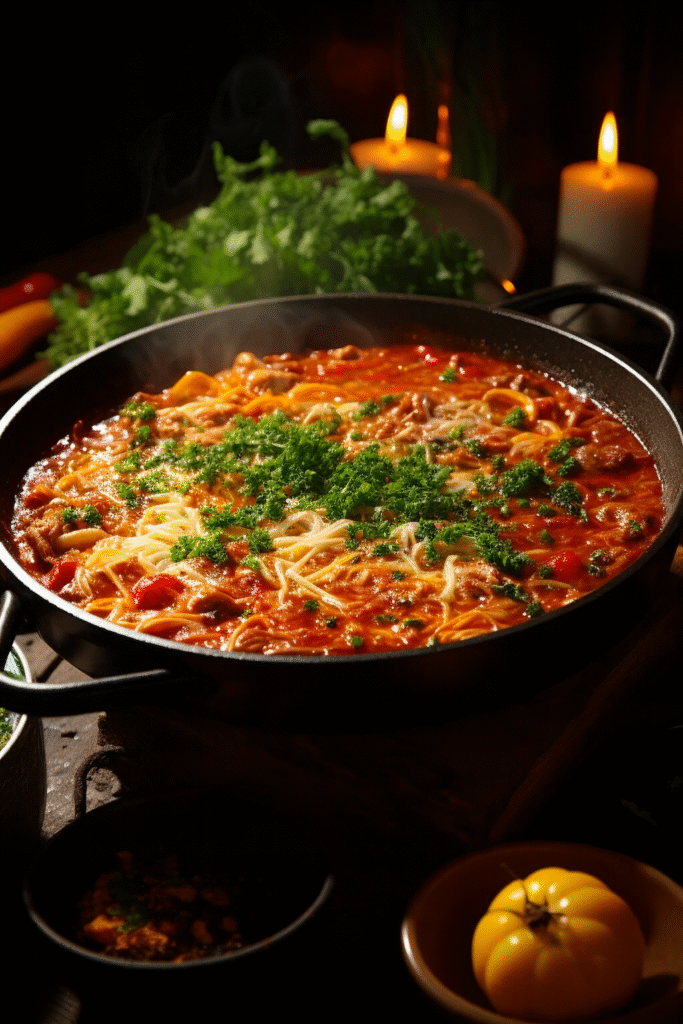
A pasta authority post exploring why one-pan cooking remains popular because of its smooth workflow, aromatic sauce builds, and thick, glossy noodle coatings that hit the mark every time.
🍝 Fork-First Taste: Why One-Pan Pasta Keeps Its Momentum
Some meals trend because of flash, but pasta meals trend because of how they feel, taste, and behave on the fork. One-pan pasta continues to resurface in kitchens not because of fancy ingredients, but because the process consistently creates sauces that smooth out early, tighten at the right time, and coat noodles with confidence. For kitchen meal makers and kitchen enthusiasts, this technique feels like a rhythm they can naturally depend on.
One-pan pasta is loved because it delivers:
✅ faster cleanup
✅ thicker, richer coatings
✅ recognizable aromas
✅ and bite consistency without excess liquid distraction
Pasta lovers enjoy meals that feel sauce complete, fork ready, and texture balanced — not sauce-washing underneath it or requiring detective scrolling.
Why the Technique Matters More Than the Recipe Story
Many pasta recipes lean on storytelling to stand out, but real pasta lovers want what one-pan techniques provide: workflow simplicity and texture clarity. The shape of the pasta, the way the sauce is built, and the order it is reduced often determines whether a dish feels sauce-perfect or sauce-confusing.
One-pan pasta keeps flavor predictable in the best way, because it uses the same familiar sauce build order every time:
This order matters. When garlic is softened into the butter early, it releases aroma gently without forming bitter clusters or burnt flavor spots. When tomato paste is browned before liquids join, it deepens color without thinning into metallic sharpness. When liquids like milk or cream simmer a bit longer before cheese melts in, the sauce thickens smoothly around each noodle instead of flowing under it. Cheese is introduced at the end stage, folded slowly into warm, already-reduced liquids so it melts glossy, not clumpy.
The 4 Sauce Behaviors Pasta Lovers Care About Most
Kitchen dinner makers value One-pan pasta for 4 clear reasons:
- One pot or pan creates a comforting workflow
No messy dish chase, no competing tools, no cleanup drag. - Sauce builds aroma early
Aromatics like garlic, basil, oregano, and onion melt first into butter or olive oil for even aroma infusion. - Liquids reduce thick before cheese
Sauce looks glossy and cohesive without watery pooling underneath noodles. - Protein is seared first
Searing proteins like chicken or beef at the start stage releases aroma immediately into the pan oils and helps sauce foundations reduce thicker around the noodle stage later.
Popular One-Pan Pasta Sauce Starters Readers Recognize
Sauce-forward pasta meals frequently lean on the ingredients pasta lovers already expect:
- butter
- garlic
- Parmesan
- tomatoes
- cream
- Penne
- Farfalle
- and reserved starchy pasta water splashes added early, not late for sauce tightening
These ingredients stay relevant because the aroma is familiar, repeatable, and balanced for both men and women who love pasta meals.
Why Protein Sear Order Impacts Sauce Texture Later
Protein is seared early because it produces:
✔ a browned outer surface that keeps bite-sound texture
✔ flavorful pan oils for early sauce blooming
✔ and faster emulsion thickness when liquid is added after
When liquid like cream or milk is added after browned protein oils are swirled smooth, the color turns glossy creamy or warm pink Rosa without flooding into broth-style soup. The proteins stay visible, the sauce avoids foam pooling, and the dish reheats consistently smooth.
One-Pan Pasta Is Loved Across Palates Because of Familiarity, Not Saturation
Ragu, Rosa, Alfredo and basil-cream sauces are very popular because they are:
✨ familiar in kitchen rotation
✨ comforting in flavor
✨ consistent in texture
✨ recognizable in aroma
✨ photography bold without needing platform labels
✨ and inclusive for dinner lovers of all kinds
One-pan delivery isn’t niche locked — it works for households, dinner romantics, weeknight meal makers at heart, and anyone who enjoys pasta dinners without guessing texture.
Why Orzo and Ribbon Shapes Win for Thick Sauces on the Fork
- Orzo is topped mostly in bakes where ricotta + Parmesan melts silky.
- Ribbons like pappardelle embrace thicker Ragu sauce because broad strands carry the sauce evenly.
- Cheese crowns melt smoothest when the sauce tightens first, topping second.
- Butter-softened garlic releases mild aroma that reinforces the sauce identity, not taste shock intrusions.
- The noodle stage matters more than the sauce story — thick, creamy, and fold confident always wins.
- Less broth = more enjoyment at the sauce + noodle stage.
Pantry Staples for One-Pot Sauce Rotation
Pasta dinners return in popularity because they use familiar kitchen foundations that stay inventory-reusable across meals. Pantry staples like butter, dried basil, oregano, garlic, tomatoes and Parmesan continue to be used because they distribute aroma evenly, build sauce thickness without broth wash, and help pasta meals behave creamy or glossy without pooling water under noodles.
Proteins such as chicken, cod, beef and bacon are seared early because the browned fat molecules emulsify better when liquid is introduced afterward. This makes the sauce reduce into a thicker glaze, which helps cheese melt glossy when folded in slowly. Pasta water starch works best when splashed in early reduction, not late rising, so the pan tightens into cream or warm pink Rosa with confident coating behavior.
Passionate dinner cooks return to these pasta groups because the flavor clusters are balanced, the process is quick to follow, and the results are consistent at the fork stage.
❄ Storage
Cool fully. Seal airtight.
✅ Fridge: 3 days
✅ Freeze: up to 6 weeks
Reheat low. Loosen slightly if needed, never boil after cheese has melted.
❓ FAQs for Pasta Meal Lovers
Q: Which liquids reduce faster in pasta sauces?
A: Cream, milk, and browned tomato paste foundations tighten fastest because they thicken around the noodles instead of flowing under them.
Q: Why should protein be seared first in a pasta dish?
A: Browning meat or chicken early creates flavorful pan oils that emulsify smoothly when liquid is added afterward, helping the sauce reduce thicker and hold better.
Q: Does pasta water starch really change the sauce?
A: Yes — a small splash added early helps the sauce tighten smoothly without turning broth-thin under the pasta.
Q: Which pasta shapes hold thicker sauces best?
A: Ribbon shapes like pappardelle, spirals like rotini, and ridged tubes like rigatoni distribute flavor and coatings evenly when reduction timing is respected.
Want More Cozy Dinner Ideas?
If you loved this recipe, you’ll love my free Comfort Dinner Guide—packed with easy, satisfying weeknight meals.